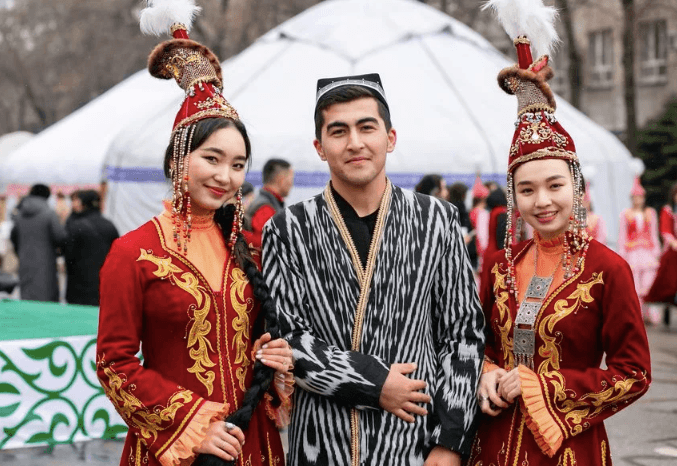
Cultural travel reshapes the wardrobe as a living syllabus. Markets, studios, and streets become classrooms where symbols inform silhouettes and textures carry memory. A detached observer notes how provenance threads into craft, how collaboration grounds each piece in responsibility. The result is a disciplined improvisation: garments born from conversations, not cravings. Something lingers in the folds, a quiet invitation to see what comes next and why what is worn matters beyond style.
How Culture Shapes Fashion on the Road
Culture imprints fashion on the road by turning itineraries into sartorial conversations. A third-person, detached observer notes cultural symbols shaping street silhouettes, where markets studios and streets: where to find local style, become study guides.
Practical ways to bring home a cultural wardrobe emerge from threads of connection: lessons from traveler designer encounters, concise, curated, immersive insights for freedom-loving readers.
Markets, Studios, and Streets: Where to Find Local Style
Markets, studios, and streets offer a threefold map to living local style: bazaars buzzing with color, workspaces where garments take shape, and sidewalks where passersby assemble spontaneous ensembles. The exploration reveals markets and studios as creative engines, and streets and markets as public galleries, where daily dress becomes dialogue, intention, and rhythm—crafted, intimate, and freely navigated by wandering observers seeking authentic flair.
Practical Ways to Bring Home a Cultural Wardrobe
Travelers curate a cultural wardrobe with intention, translating encounters into tangible garments and deliberate purchases rather than souvenirs. The approach emphasizes mindful fabric sourcing, transparent provenance, and respectful design choices. Practicing cultural appropriation awareness, collectors seek local crafts, authentic textures, and ethical collaborations. Documentation aids reflection, while preservation and care extend value beyond trends, enabling a liberated, thoughtful wardrobe that travels without erasing origins.
See also: How to Plan a Successful Home Improvement Project
Threads of Connection: Lessons From Traveler-Designer Encounters
Even as journeys unfold, the exchange between traveler and designer reveals a quiet curriculum of exchange: a seam of learning threaded through conversations, materials, and constraints. In these encounters, threads of connection emerge as disciplined improvisation, revealing traveler designer dynamics: observation shaping technique, respect guiding critique, and culture becoming material. The result is a refined motif: design informed, boundaries expanded, narratives forged through collaboration.
Frequently Asked Questions
How Do Travelers Respectfully Interpret Sacred Dress Codes Abroad?
To interpret sacred dress respectfully, travelers observe local guidance, seek permission, and adapt modestly, acknowledging sacred codes. They approach rituals with sensitivity, humility, and curiosity, embracing freedom within boundaries, and document experiences through curated narratives that honor communal values and dignity.
What Ethical Considerations Should Guide Souvenir Purchases?
Circling back, ethical sourcing and respectful gifting should guide souvenir choices, ensuring fair labor and cultural sensitivity. The narrative favors transparency, mindful consumption, and restraint, like treading lightly; the traveler weighs impact before purchase, preserving dignity and cultural integrity.
Can Fashion Trends Abroad Influence Personal Sustainability Practices?
Fashion trends abroad can influence personal practices, albeit modestly; trend adoption may prompt sharper attention to fabric choices, longevity, and local producers, subtly elevating fashion sustainability through mindful consumption and curated, freedom-loving storytelling about responsible wardrobes.
How Do Language Barriers Affect Understanding Local Fashion Norms?
“Language is a velvet key.” Language barriers alter understanding of local fashion norms, as translation skims meanings, leaving etiquette gaps. The detached observer notes language nuances shape interpretations, guiding respectful choices and revealing cultural signals in nuanced, curated narratives.
What Are Common Myths About “Authentic” Cultural Wardrobes?
Authentic wardrobes are not monolithic; assumptions crumble under scrutiny. The cultural myths persist when observers project sameness onto diverse ensembles, ignoring history, symbolism, and context. Curated narratives reveal nuance, urging freedom to appreciate multiplicity without reduction or stereotype.
Conclusion
In this detached chronicle, culture threads through every stitch, transforming travel into a living syllabus of texture, technique, and ethics. One striking statistic anchors the narrative: studies show ethically sourced fashion markets grow by roughly 10–15% annually, signaling a shift toward provenance over fast novelty. From markets to studios to streets, the traveler’s wardrobe becomes a curated dialogue—respectful, collaborative, and durable—where memory and craft fuse. Fashion, finally, is spoken aloud through responsible exploration and preserved tradition.